
I see a lot of social media postings from photographers who tag there work with the word “fashion” or “fashion photography”. However, many times these references are wildly incorrect so I decided to clarify what “fashion” in the photography sense means.
To address this question I guess we have to start with a definition of fashion photography. So here is one:
“Fashion photography primarily focuses on the display of clothing and items destined most commonly for advertising and editorial media including fashion magazines. The photography will largely, but not exclusively, feature models wearing the display items.”
Fashion photography has existed almost as long as photography itself has been around. This type of photography has always changed with the times. In many respects it is a historical snapshot (no pun intended) of the times that the image was taken. Think of decades such as the 20s, 40s, 60s, 80s etc and fashion photography in many way defines the “style” of that time and which is usually immediately recognisable with that specific period.
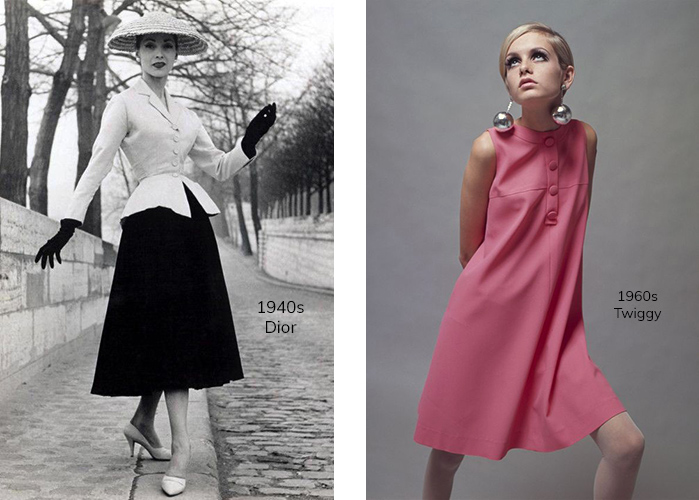
Digging a little deeper, fashion photography may be simply described in two words – “style” and “selling”. That is showing a style of clothing or accessory with the purpose of create sales interest, and ideally demand, in a particular market. That “market” has become extremely diverse nowadays ranging from street/ urban all the way to designer couture.
Now turning to the photography element, we see loads of imagery on social media today which refers to “fashion” or “fashion shoot”. Setting the quality of the photography to one side, much, if not the majority, of this photography cannot be legitimately described as fashion photography. It may display a certain general style but usually it fails to address the second pillar of this genre of photography. Namely, the brand recognition aimed at creating sales interest and demand in the products (typically the clothing) being displayed. This is not a criticism just an observation.
Great fashion photography has always attracted great photographers. Names like David Bailey, Norman Parkinson, Steven Meisel, Peter Lindbergh and Annie Liebovitz amongst others come to mind. All worked with the great fashion houses like Chanel and Saint Lauren. This is high fashion photography but more of this a little later.
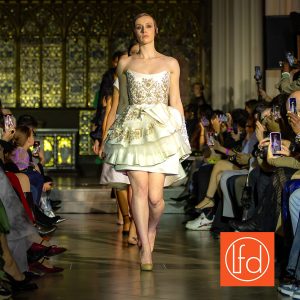
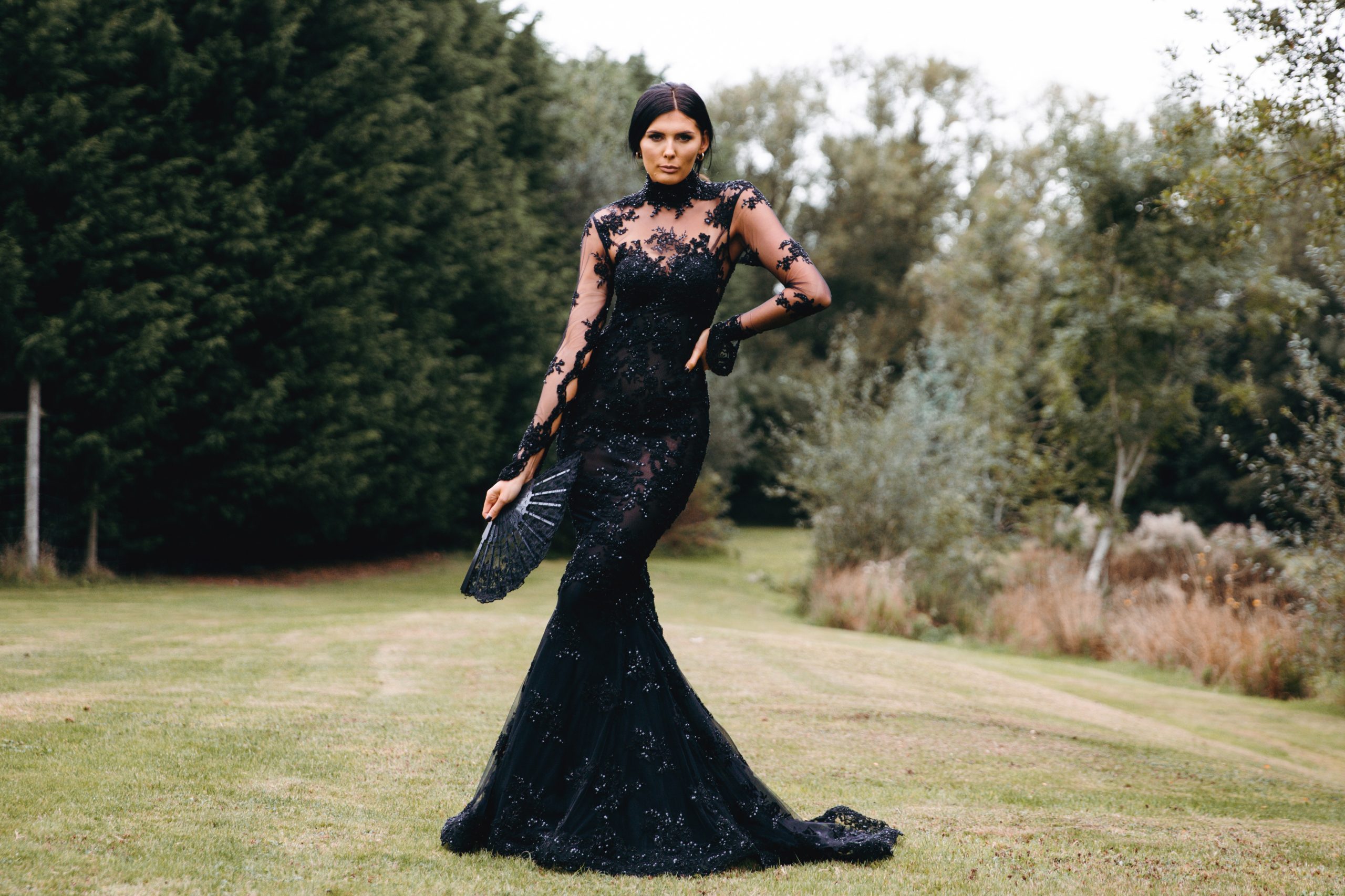
So what does all of this mean for photographers submitting images to fashion magazines today. Well in my experience submitting to reputable fashion photography publications will normally mean keeping with the two key components of identifiable style and brand recognition. Brand acknowledgement is vital and the more recognisable the brand the better. However, there are some fabulous small brands out there and I must mention my friend Jo-Ann Crossfield who is an amazing couturier. This is one of her creations which is as good as anything from the great fashion houses. Photography by Lauren Lewis.
Fashion photography basically comprises three sub-divisions. These are catalogue, editorial and high fashion.
Catalogue fashion photography is more information based where the wardrobe is clearly seen and everything is clean and simple. Images are usually shot in a studio with white a commonly used background. Examples of this style are seen in fashion brands like ASOS.
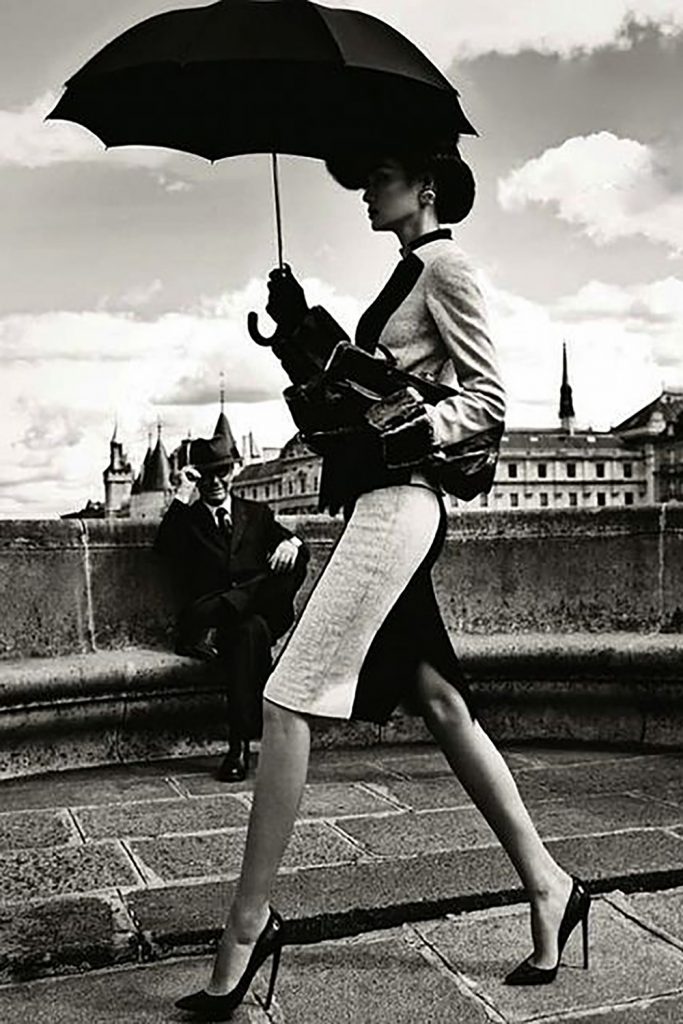
Editorial fashion photography is usually based in a location rather than a studio. Here styling is everything and the images are there to promote lifestyle as well as brand. This type of photography is that which either tells a story or supports a story by way of associated words or text. I see myself as an editorial fashion photographer.
High fashion photography is where the really “big bucks” are spent and typically involves a large team. This is the domain of names like Chanel, Dior, Michael Kors and the like. It is also noticeable that this type of photography often now uses movie stars such as Charlize Theron and Natalie Portman as models.
Finally, fashion photography can often merge with portrait photography in the sense that a portrait image may well contain identifiable brands but the objective of the image is to promote the individual being photographed. As with many things photographic nowadays lines can become blurred.
Credits:
Jo-Ann Crossfield
Lauren Lewis Photography